 0
|
0
|
 6
|
6
|
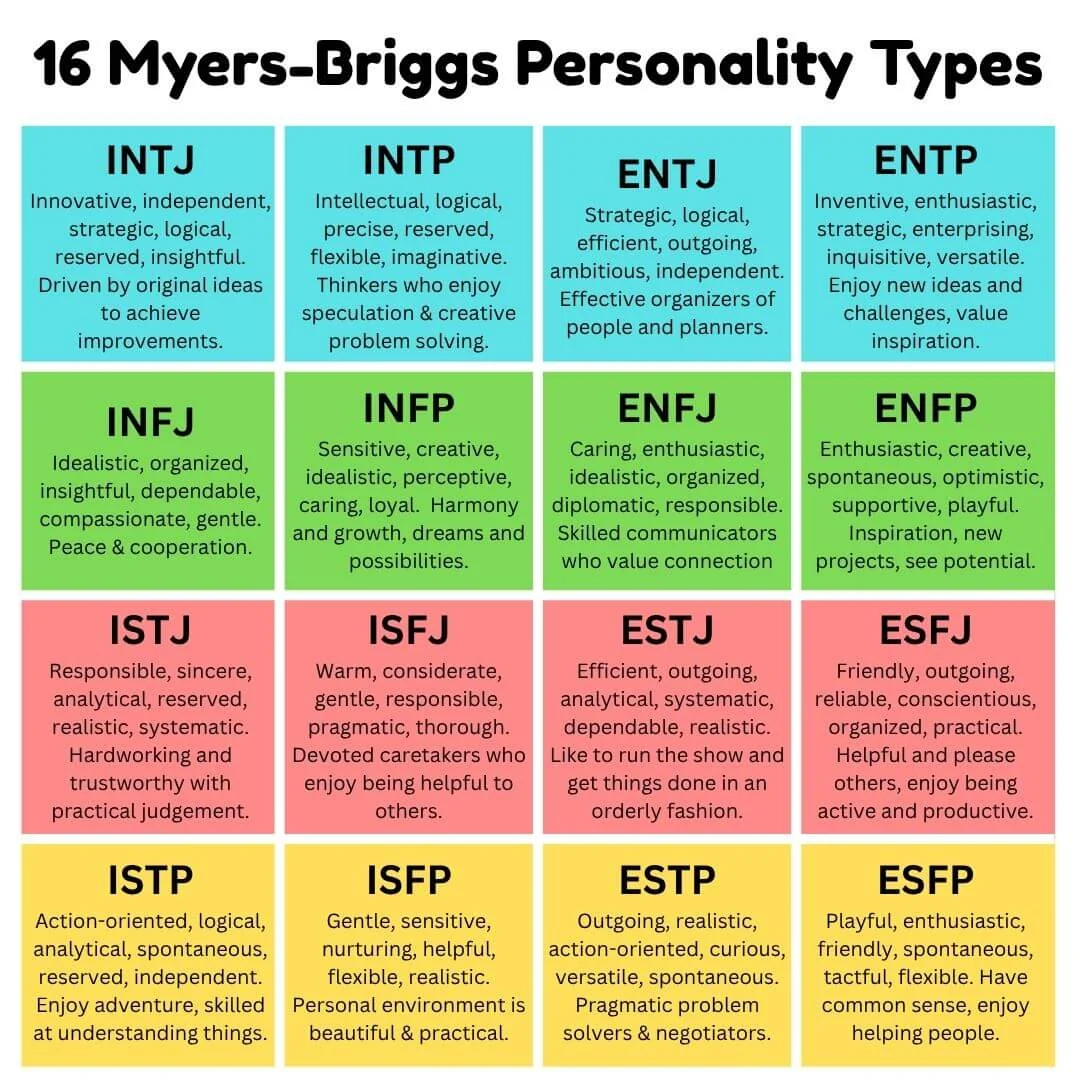
The most popular personality tests are the Myers-Briggs Type Indicator (MBTI), DiSC Assessment, and Enneagram test. This post is not about those. The MBTI test, for example, is limited to 16 generic either-or personalities. If I tell someone that my type is ISTJ, I don't give a fuck what they do with it because it's hardly relevant to who I actually am.
I’ll delve a little bit into how you can use this personally and the people around you. For yourself, go ahead and take as many tests as you can (honestly). I would start with the Big Five (OCEAN) and HEXACO tests. These two are the most scientifically backed where each trait is broken down into percentages. They are the most highly predictive tests for real-world outcomes like job performance and relationship satisfaction.
HEXACO Example (via Google):
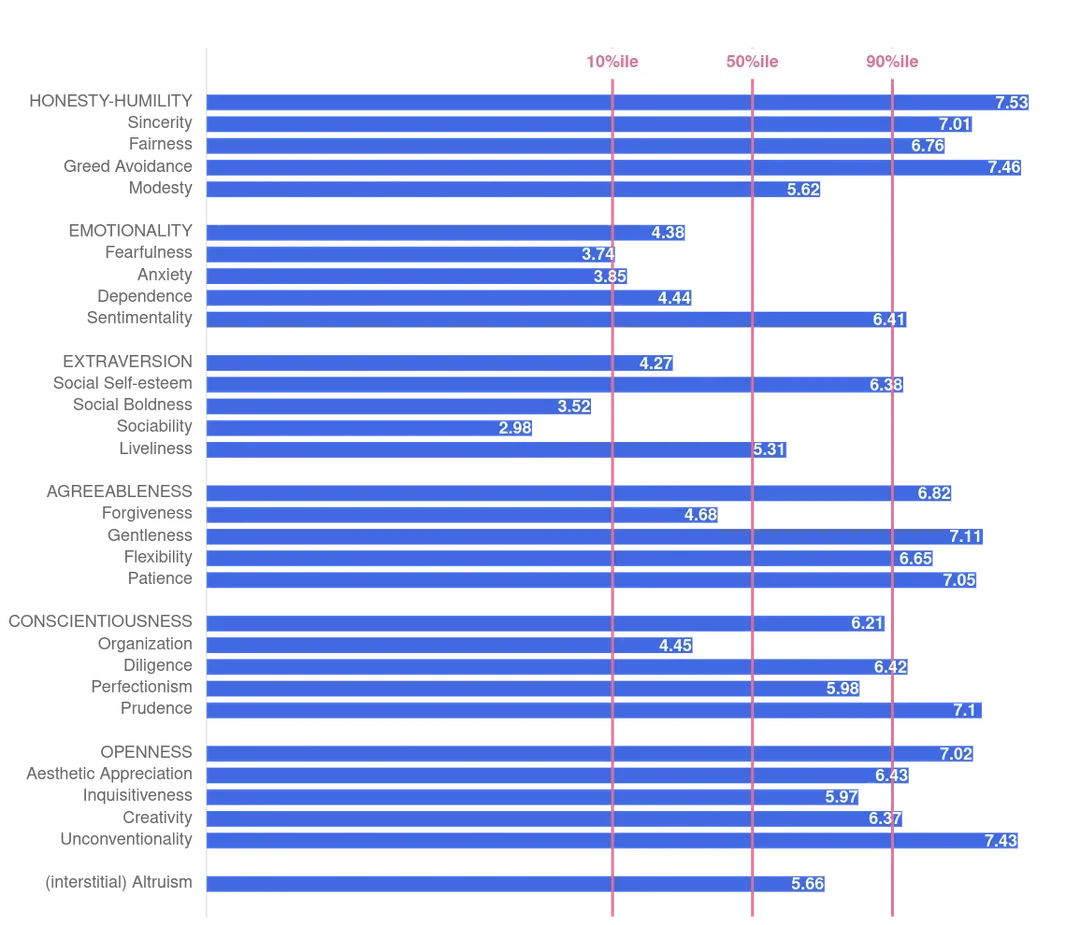
After taking them, you can mix and compare each assessment (this is called maximizing incremental validity). The Big Five test covers a lot, like how open, conscientious, extroverted, agreeable, and neurotic someone is. HEXACO patches the Big Five’s biggest flaw by adding the Honesty-Humility factor. People with a low H-factor category score are more likely to engage in manipulative, greedy, and self-entitled behavior.
O - Openness: How intellectual, creative, and open to change they are.
C - Conscientiousness: Their level of discipline, organization, and reliability.
E - Extraversion: Pronounced engagement with the external world.
A - Agreeableness: How cooperative, forgiving, and patient they are.
N/E - Neuroticism/Emotionality: The tendency to experience negative feelings, stress, or vulnerabilities.
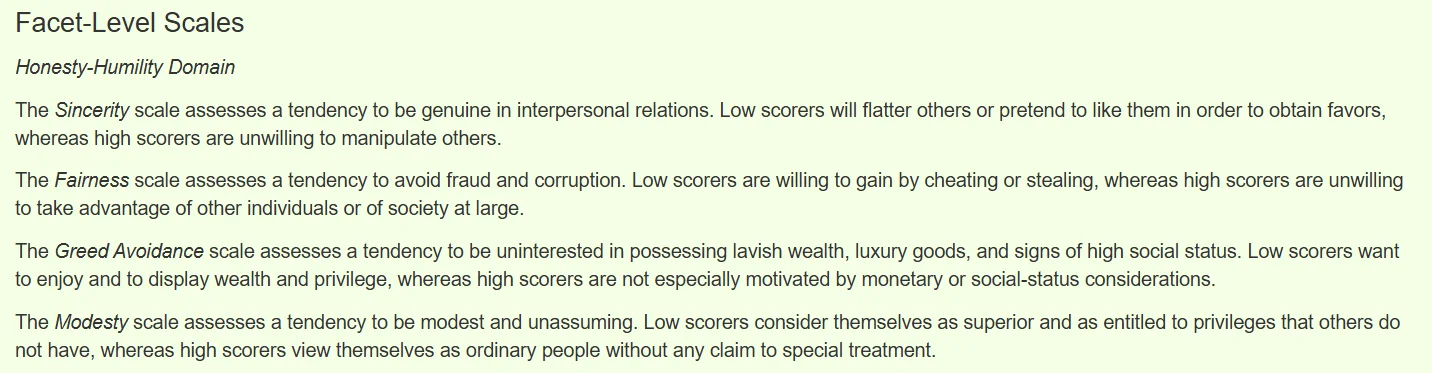
H - Honesty-Humility (HEXACO only): Measures sincerity, fairness, greed-avoidance, and modesty.
Big Five Sample* (via Google):
*subcategories not shown, as there are a lot
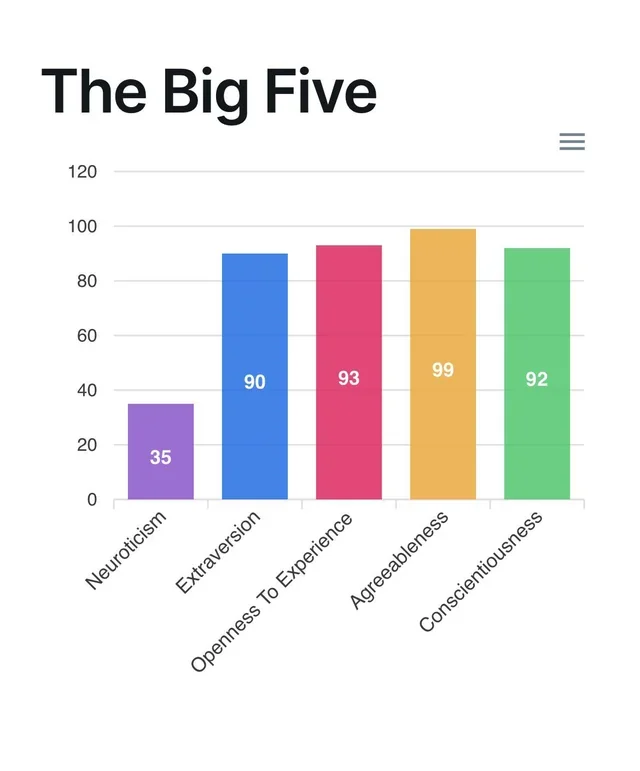
A person may score high on the Big Five’s E (extroversion) and C (conscientious) factors, appearing as a hard-working leader. However, if they score lower on HEXACO’s H-factor, the picture widens to an individual who is highly organized, socially skilled, and likely to manipulate others for their own gain.
This part is more helpful in your interactions with other people, but it’s still good to know for yourself. Another thing I like about HEXACO is that it sets anger under the agreeableness category (it’s under neuroticism in Big Five) and anxiety under emotionality.
Ask yourself (or feed your data to AI, lol) questions like:
What internal narrative do I probably live by?
What do I unintentionally communicate through my behavior?
What recurring life patterns would be predicted based on this profile?
What relationship dynamics am I most likely to repeat?
What blind spots are most likely to limit my long-term growth?
A dynamic that someone on this site may have is high anxiety/fearfulness combined with low forgiveness/patience and low modesty. This means that this person feels entitled to special treatment (low modesty) but is hypersensitive to criticism and worries about threats to their status (high anxiety). Because they score low on forgiveness, any slight or criticism may trigger deep resentment within this individual. As a result, they react with passive-aggressive sabotage, rumors, or retaliation to defend their (fragile) ego.
One of my personal favorite HEXACO dynamics that I feel comfortable sharing is my low sociability vs. high social boldness–meaning that I prefer my own company instead of avoiding others due to anxiety, but still have the confidence to step into a spotlight when required.
You can jokingly bring up HEXACO or the Big-5 to any unassuming friend, and bam, you’ll know a lot more about their behavioral tendencies than they realize or they’re comfortable sharing. Of course, it's not the full picture, but it's a general idea. You can get a basic idea on how reliable, driven, empathetic, and assertive someone is. On the other hand, you can also gauge how skeptical, impulsive, critical, etc they are. Depending on their results, you can send some larp bs or what you're actually working with. If I send someone my results that have traits opposite of theirs, they often think I am actively looking to harm them. If your baseline traits are opposites of theirs, they may sense the friction and view you as untrustworthy.
https://hexaco.org/scaledescriptions
If they have something you want, you can modify your behavior to what appeals to them. This is more challenging for people with low agreeableness, honesty-humility, or emotionality. And sometimes, if you’re overly passionate about the person, you'll end up trying too hard, mess it up, and they won’t like you anyway. Treat this like one general method to see who you're actually dealing with